Understanding the psychology behind gambling Insights from Pin Up
The Allure of Gambling
The psychology of gambling is often rooted in the thrill of uncertainty and the potential for reward. Many players are drawn to the excitement that comes with taking risks, which can be intoxicating. This rush is not just about winning; it is also about the experience itself—anticipation builds as players engage with the game, creating an emotional high that can be hard to resist. Ultimately, those interested in exploring various options for gaming should visit https://actd.africa/pin-up-casino-free-spins-offers-in-africa-fun-bonus-or-quiet-money-trap/ to discover more about Pin-Up Casino’s offers.

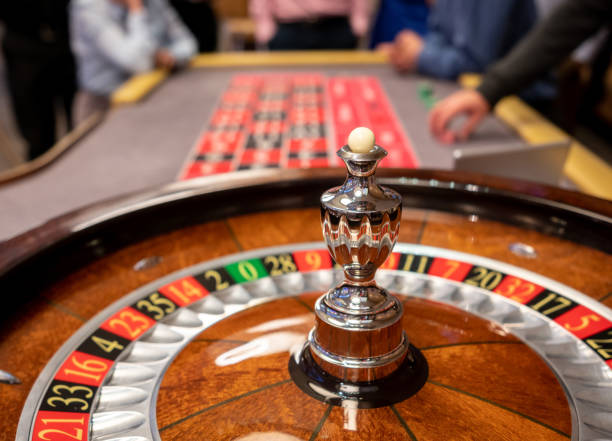
Furthermore, the environment of casinos, such as Pin Up, is designed to enhance this experience. With vibrant colors, engaging sounds, and the presence of fellow players, the atmosphere contributes to the immersive experience, making it easy for individuals to lose track of time and money. Understanding this psychological aspect can help players recognize the influences at play when they gamble.
The Role of Cognitive Biases
Cognitive biases play a significant role in gambling behavior. One common bias is the illusion of control, where players believe they can influence outcomes in games of chance. For instance, a player may think that certain strategies or betting patterns will yield better results. This misconception can lead to increased gambling, as individuals may continue to chase losses or seek validation for their strategies. Moreover, a well-known phenomenon encountered is the Pin Up bonus, often highlighted for its appeal.
Additionally, gamblers often fall prey to confirmation bias, where they remember wins more vividly than losses. This selective recall can lead to an inflated sense of success and the belief that they are more skilled than they actually are. Recognizing these biases is crucial for players who wish to engage in gambling responsibly.
The Impact of Rewards and Reinforcement
The psychology of gambling is heavily influenced by the concepts of reward and reinforcement. When a player wins, the brain releases dopamine, a neurotransmitter associated with pleasure and reward. This creates a desire to replicate the experience, driving players back to the gaming platform in hopes of experiencing that same high.
This cycle of reinforcement can lead to problem gambling, as individuals may continue to chase the feeling of winning, often leading to financial distress. Understanding the biological and psychological components of this cycle can empower players to set limits and engage in healthier gambling practices.
Responsible Gaming Practices
Awareness of the psychological factors in gambling emphasizes the importance of responsible gaming. Players should strive to understand their motivations and emotions related to gambling. It is essential to set boundaries, such as time limits and financial caps, to prevent gambling from becoming a harmful habit.
Moreover, platforms like Pin Up promote responsible gaming by providing resources and support for players. These may include self-exclusion options, access to counseling services, and educational materials. By prioritizing responsible gaming, players can enjoy the thrill of gambling while minimizing risks and fostering a balanced approach.
Insights from Pin Up Casino
Pin Up Casino offers a unique perspective on the psychology of gambling, emphasizing the importance of understanding one’s own behaviors and motivations. The platform provides various bonuses, such as the Pin Up bonus, designed to attract players while encouraging informed choices. This combination can enhance the overall gaming experience, making it enjoyable without falling into potential traps.
Ultimately, the insights provided by Pin Up Casino serve as a valuable resource for both new and seasoned players. By focusing on education and responsible gaming practices, the platform not only promotes fun but also fosters a community of informed gamblers who can enjoy their experience while being mindful of the psychological dynamics at play.